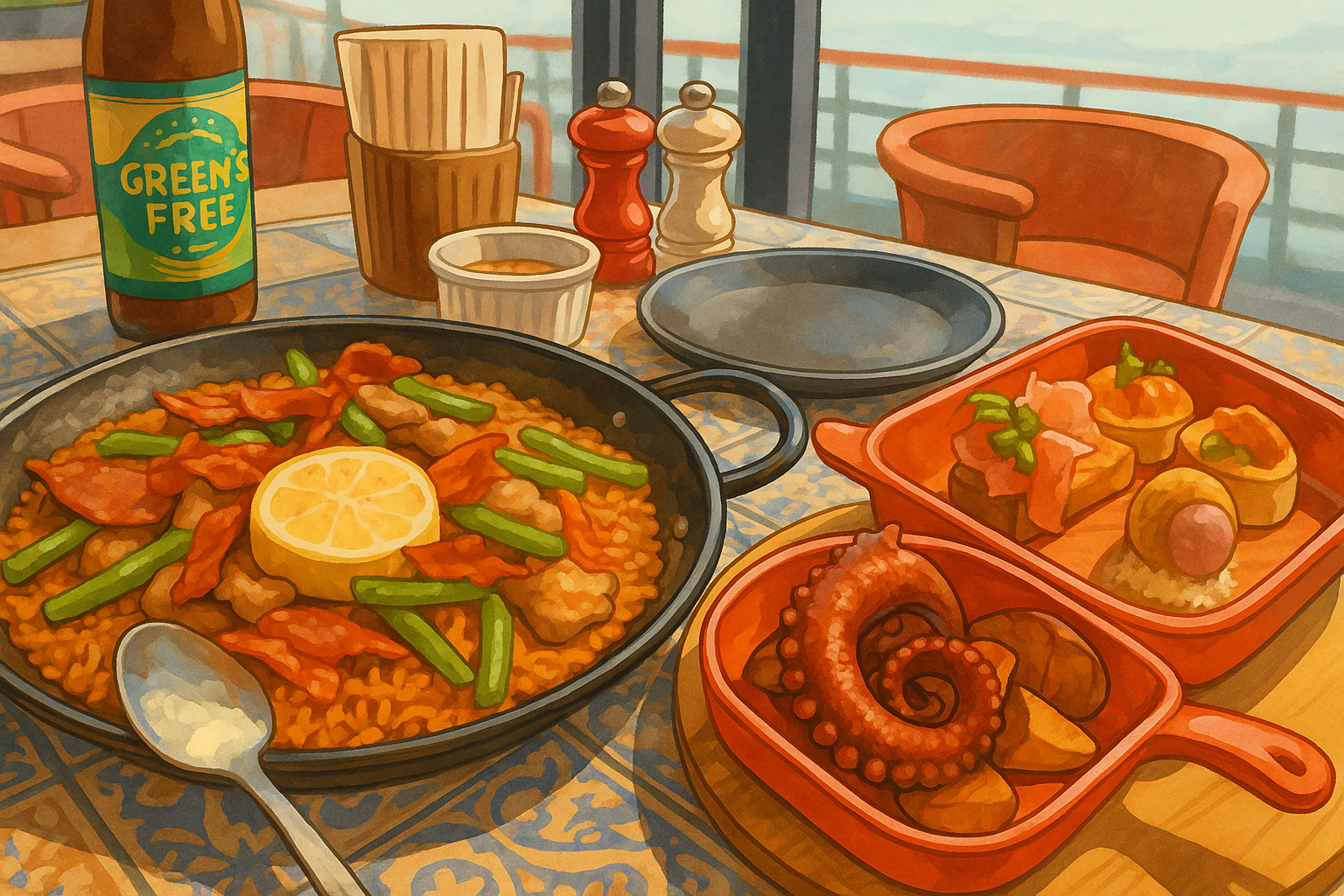
Three places I ate in Yokohama, collected into one. Spanish food in Minato Mirai, a burger at the Red Brick Warehouse, and a hotel teppanyaki counter.
- Del Mar, in Minato Mirai
- Larboard, by the Red Brick Warehouse
- Teppanyaki at Sagami, in the Bay Sheraton
- A counter on the eighth floor
- Beef, and things from the sea
- The seasoning is subtraction, not addition
- Practical notes
- Frequently asked questions
- Where is Teppanyaki Sagami?
- What does teppanyaki mean in practice here?
- Should I order the beef or the seafood?
- Are beef and seafood cooked the same way?
- Is the seasoning strong?
- Why does light seasoning matter when choosing a teppanyaki restaurant?
- How long should I allow for dinner?
- Are the images in this article photographs?
- What about the menu, prices and opening hours?
Del Mar, in Minato Mirai
The octopus was tender. I could almost say that is the only thing I remember.
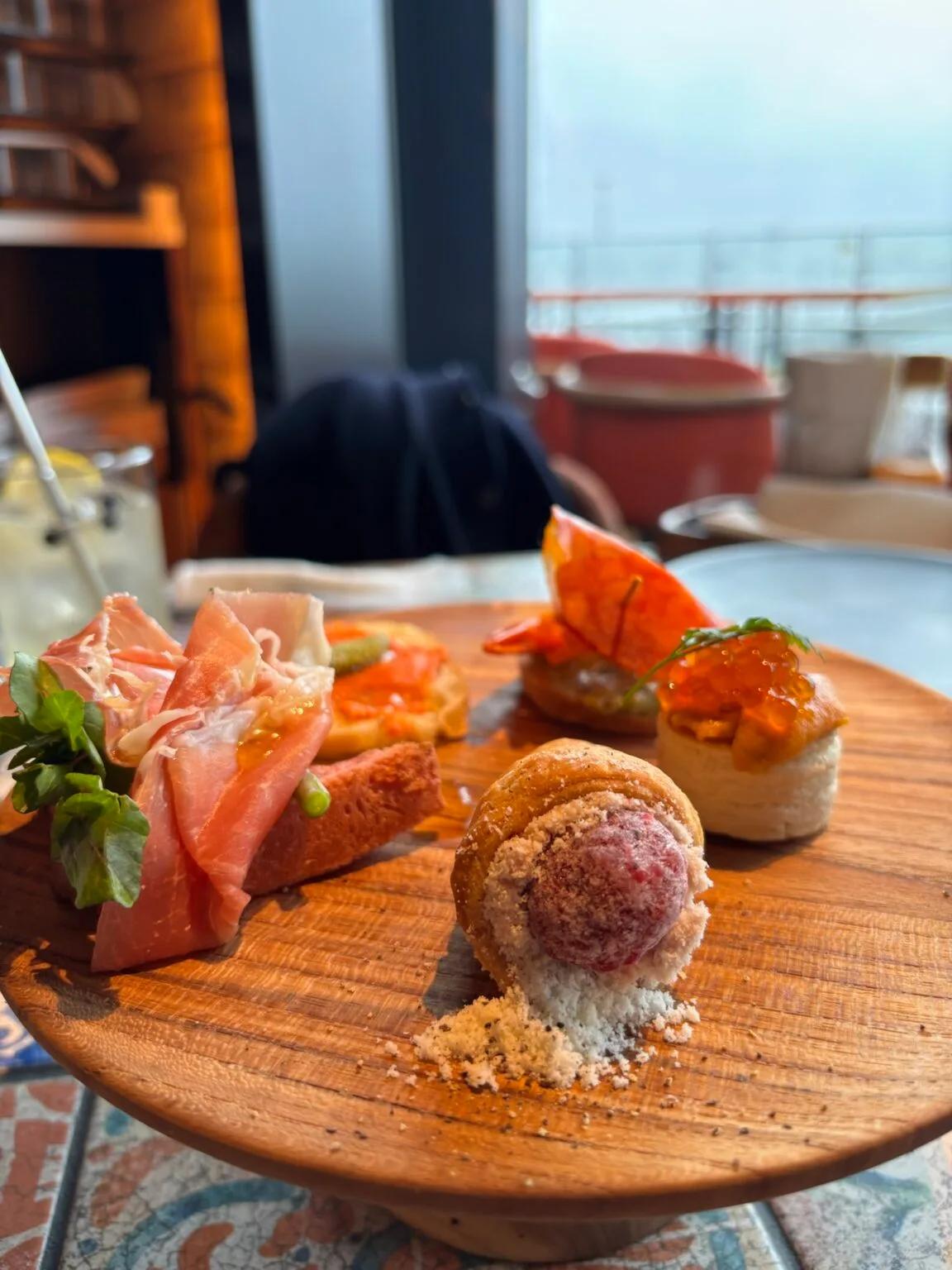
A March lunchtime in Minato Mirai
Late morning on 16 March 2025, we went into Del Mar in Minato Mirai. A Spanish restaurant.
What came first was bread and croquettes on a wooden board — the kind of thing you pick up with your hands, so your hands start moving as soon as you sit down.
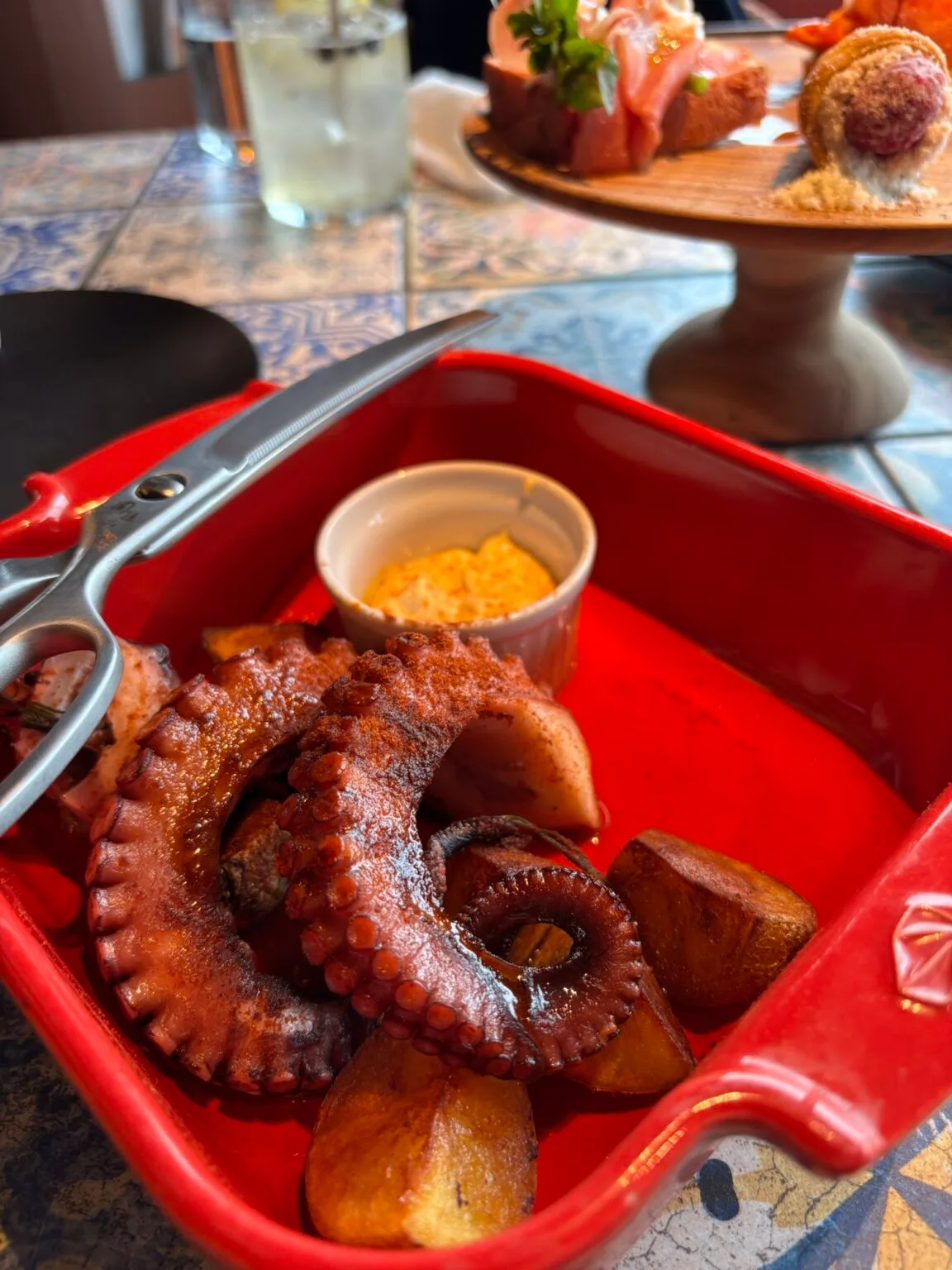
Octopus on a red plate
And then this. Octopus cut into chunks on a shallow red plate.
What surprised me on eating it was how tender it was. I had thought of octopus as something that takes a little force to bite through; this was not that. The teeth go in. And the flavour of the flesh is still fully there.
There is a famous Spanish octopus dish, and knowing the name of it turns out to be a different matter from eating one that is actually tender.
Eating somewhere the sea wind reaches
The restaurant is in Minato Mirai. It was mid-March and the wind was still cold, which made the brightness outside all the more pleasant.
A restaurant inside a tourist district, and with a good view on top of that, usually puts the food second. This one did not.
Notes from this visit
- Del Mar is a Spanish restaurant in Minato Mirai, Yokohama
- We went in late morning on 16 March 2025
- We ordered the bread and croquette board, and the octopus
- The octopus was remarkably tender with the flavour of the flesh intact
- Menu, prices and hours change. Check before you go
Visited March 2025. Prices and opening details are as they were at the time of the visit.
📖 A companion guide from Private Wisdom
Eating your way around Japan? How to Eat in Japan — a long-time local’s friendly guide to ordering, dining etiquette, and what to actually eat, from the convenience store to the sushi counter. Free to read with Kindle Unlimited.
▶ Read on Amazon (Kindle Unlimited)Larboard, by the Red Brick Warehouse
We ate a burger near the Red Brick Warehouse. “Meaty” is the word that fits the plate exactly.

It leads with the presence of the meat
What I ordered at Larboard was the burger. Larboard is the restaurant and bar at InterContinental Yokohama Pier 8, on Shinko Pier, a short walk round from the Red Brick Warehouse.
The patty is thick. Bite it and the fibre of the meat is still there — closer to eating a piece of meat than to eating something pressed out of mince. Meaty really is the nearest word.
Burgers divide into the kind that work through the balance of bun, sauce and fillings, and the kind that lead with the meat. This is the second kind.
On eating by the water
The area around the Red Brick Warehouse is busy at weekends. You get a table in the middle of that and eat looking out towards the sea.
Eat the same thing near home and the verdict would probably not be the same. There are restaurants where the location is part of the flavour, and this is one of them.
Notes from this visit
- Larboard is the restaurant and bar at InterContinental Yokohama Pier 8, near the Yokohama Red Brick Warehouse
- I ordered the burger: a thick patty, with the fibre of the meat still present
- The surrounding area gets crowded at weekends
- Menu, prices and hours change. Check before you go
Prices and opening details are as they were at the time of the visit.
The hotel it belongs to: New Year at InterContinental Yokohama Pier 8.
📖 A companion guide from Private Wisdom
Eating your way around Japan? How to Eat in Japan — a long-time local’s friendly guide to ordering, dining etiquette, and what to actually eat, from the convenience store to the sushi counter. Free to read with Kindle Unlimited.
▶ Read on Amazon (Kindle Unlimited)Teppanyaki at Sagami, in the Bay Sheraton
We had both the beef and the seafood cooked for us. At a teppanyaki counter you are usually pushed to choose a direction — and there is a good case for refusing to.
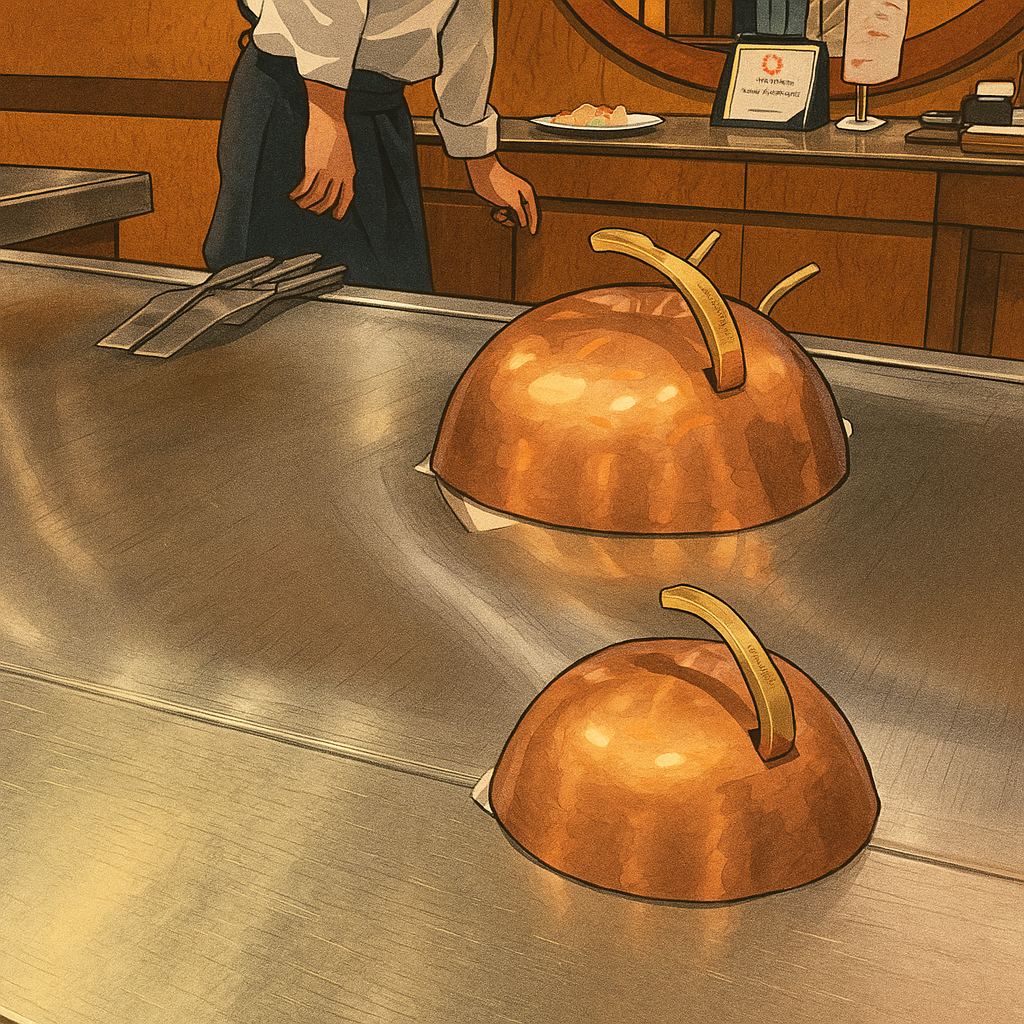
A counter on the eighth floor
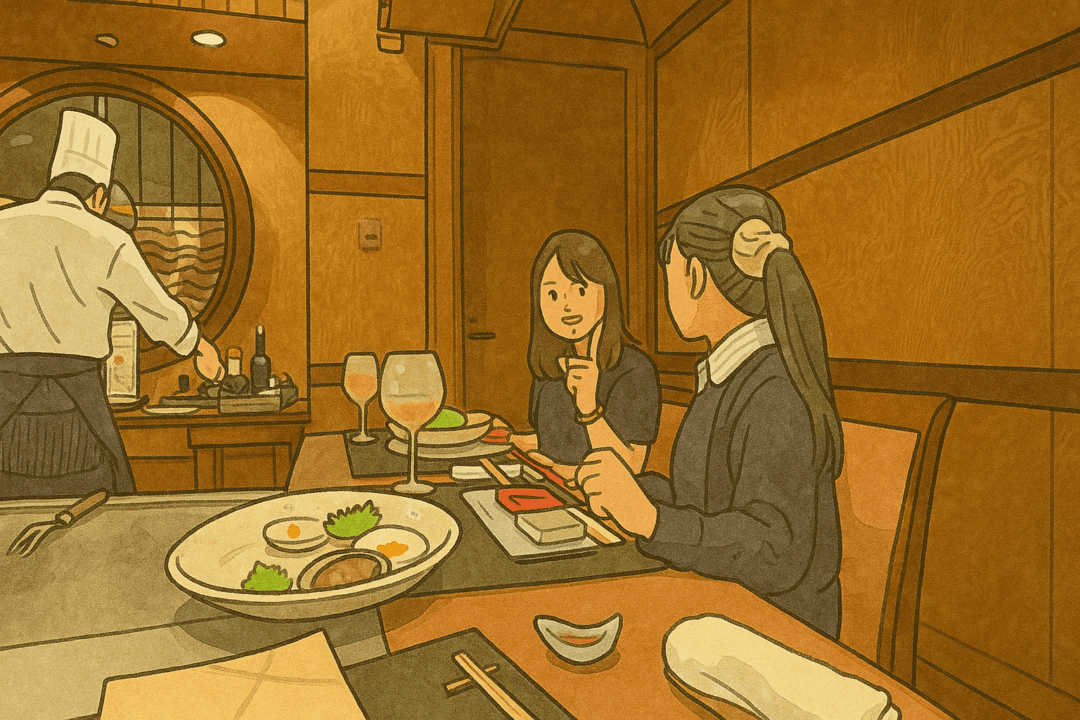
Sagami is the teppanyaki restaurant on the eighth floor of the Yokohama Bay Sheraton Hotel & Towers.
Teppanyaki means sitting at a counter with the griddle in front of you and having the food cooked there. You are not waiting for plates to arrive from a kitchen you cannot see; you are watching the whole process happen. More of the evening is spent observing than eating.
That changes the pace of a meal. There are long stretches where nothing is on your plate and you are simply watching a piece of beef rest.
Beef, and things from the sea
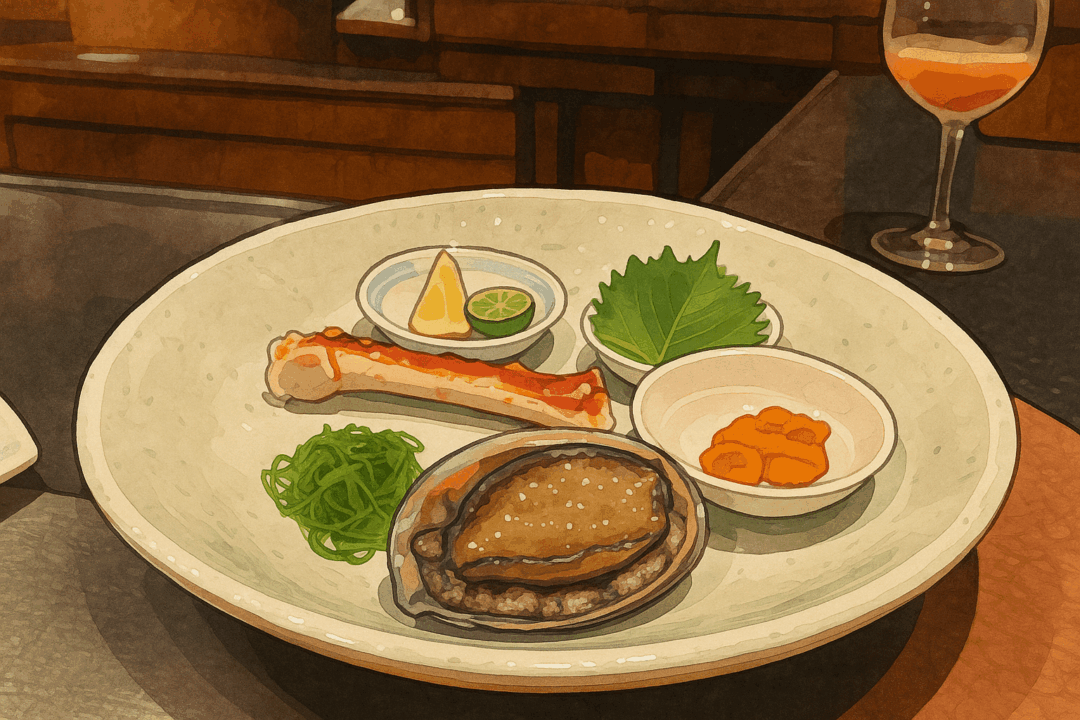
We ordered both.
What makes teppanyaki interesting is that the two are handled in completely opposite ways. Beef gets its surface sealed first, then heat is worked slowly into the centre. Seafood is finished fast, specifically so that heat does not get all the way in.
Two contradictory judgements, made one after the other, on the same piece of metal. Watching that switch happen is most of the appeal.
The seasoning is subtraction, not addition
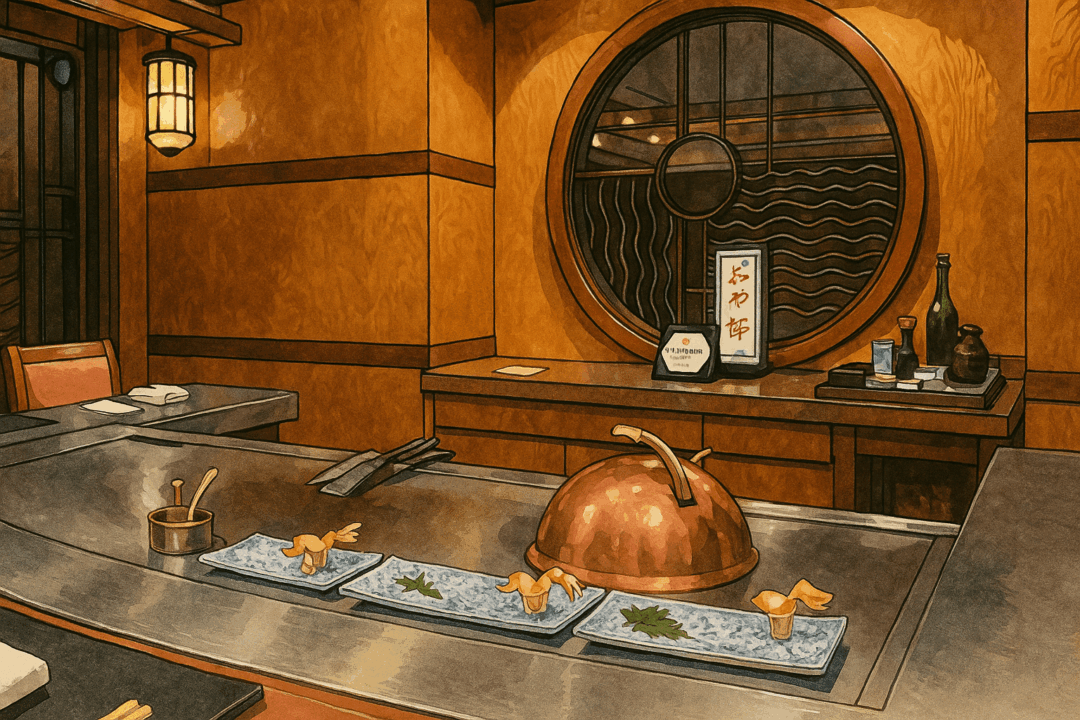
Every time I eat at a place like this I notice the same thing: the seasoning is light.
Light is not a criticism here. The whole format assumes you are eating the ingredient itself, so very little is added on top. Covering it in sauce would be easier, and they are deliberately not doing that.
Which means the format does not survive mediocre ingredients. Turned around: a restaurant that serves this way is telling you it is confident in what it bought that morning.
Practical notes
- Restaurant: Teppanyaki Sagami, 8th floor of the Yokohama Bay Sheraton Hotel & Towers, Yokohama.
- Format: counter seating, cooked in front of you.
- What we ordered: both the beef and the seafood, rather than committing to one.
- Seasoning: restrained. The dishes are built around the ingredients, not around sauces.
- Pacing: allow more time than a normal dinner. Much of the experience is watching.
- Note: menus, prices and opening hours change — check before you go.
If you are deciding between a steak place and a seafood place, a teppanyaki counter is the answer that refuses the question. You can have the argument settled in front of you, on the same griddle, in the same hour.
The photographs in this article are our own photographs rendered in an illustrated style; colours may differ from reality. Details are as of the visit.
📖 A companion guide from Private Wisdom
Eating your way around Japan? How to Eat in Japan — a long-time local’s friendly guide to ordering, dining etiquette, and what to actually eat, from the convenience store to the sushi counter. Free to read with Kindle Unlimited.
▶ Read on Amazon (Kindle Unlimited)Frequently asked questions
Where is Teppanyaki Sagami?
It is the teppanyaki restaurant on the eighth floor of the Yokohama Bay Sheraton Hotel & Towers, in Yokohama.
What does teppanyaki mean in practice here?
You sit at a counter with the griddle in front of you and the food is cooked there. You are not waiting for plates to arrive from a kitchen you cannot see — you watch the whole process happen.
Should I order the beef or the seafood?
We had both cooked for us, and I would do that again. At a teppanyaki counter you are usually pushed to choose a direction, and there is a good case for refusing to.
Are beef and seafood cooked the same way?
No — they are handled in completely opposite ways, and that is what makes the meal interesting to sit through. Beef gets its surface sealed first, then heat is worked slowly into the centre. Seafood is finished fast, specifically so that heat does not get all the way in. Two contradictory judgements, made one after the other, on the same piece of metal.
Is the seasoning strong?
It is light, and deliberately so. The format assumes you are eating the ingredient itself, so very little is added on top. Covering it in sauce would be easier, and they are not doing that.
Why does light seasoning matter when choosing a teppanyaki restaurant?
Because the format does not survive mediocre ingredients. Turned around: a restaurant that serves this way is telling you it is confident in what it bought that morning. That is a useful thing to know before you book.
How long should I allow for dinner?
More time than a normal dinner. Much of the evening is spent observing rather than eating — there are stretches where you are simply watching a piece of beef rest — and that changes the pace of the meal.
Are the images in this article photographs?
No. They are illustrations rendered from our own photographs, and each one is labelled as such in the article.
What about the menu, prices and opening hours?
Menus, prices and opening hours change, so I have not written numbers here. Check the restaurant’s official information before you go.
Another Yokohama hotel dining room where the steak was the thing worth ordering.
The Westin Yokohama club lounge: the steak was the point
A counter of a different kind in Yokohama — nine seats, and the cooking still happens in front of you.
[Yokohama] Nine Seats at Katabami: A Courtyard Sushi Counter and Six Kanagawa Sakes
If you want the harbour in view at the other end of the day.
[Yokohama] Breakfast at Le Normandie, Hotel New Grand
And a quieter Yokohama stay, built around an indoor pool and a slow morning.
The Kahala Yokohama: an indoor pool, and a morning that does not hurry
Prices and opening information are as they were at the time of this visit. Check the latest details with the restaurant before you go.
Related Articles

Comments