- Places and Luxury Hotels in Kyoto We Visited
- Luxury on the Kamogawa-facing terrace
- The Golden Glow of Kinkakuji Temple and the Tranquility of its Gardens
- The view from the heights of Kiyomizu-dera Temple and the depth of its history
- Attractions and learnings throughout the Kyoto trip
- Private Wisdom’s Summary
- The Ritz-Carlton, Kyoto and Kyoto Sightseeing: Frequently Asked Questions
Places and Luxury Hotels in Kyoto We Visited
The stage for this trip was the spots that epitomize the refined charm of the ancient capital of Kyoto. First, we chose The Ritz-Carlton, Kyoto as our lodging destination. Located along the Kamo River, this luxury hotel promises a luxurious stay in a space that blends tradition and modernity. Next, we visited Kinkakuji Temple, which is registered as a World Heritage site. Famous for its golden Shariden Hall, the temple’s gardens embody the aesthetics of Zen. Then, Kiyomizu-dera Temple, a classic tourist attraction in Kyoto. The view from the stage is breathtaking, and the temple’s historical architecture is a wonder to behold. These places are essential highlights of a trip to Kyoto.
Luxury on the Kamogawa-facing terrace
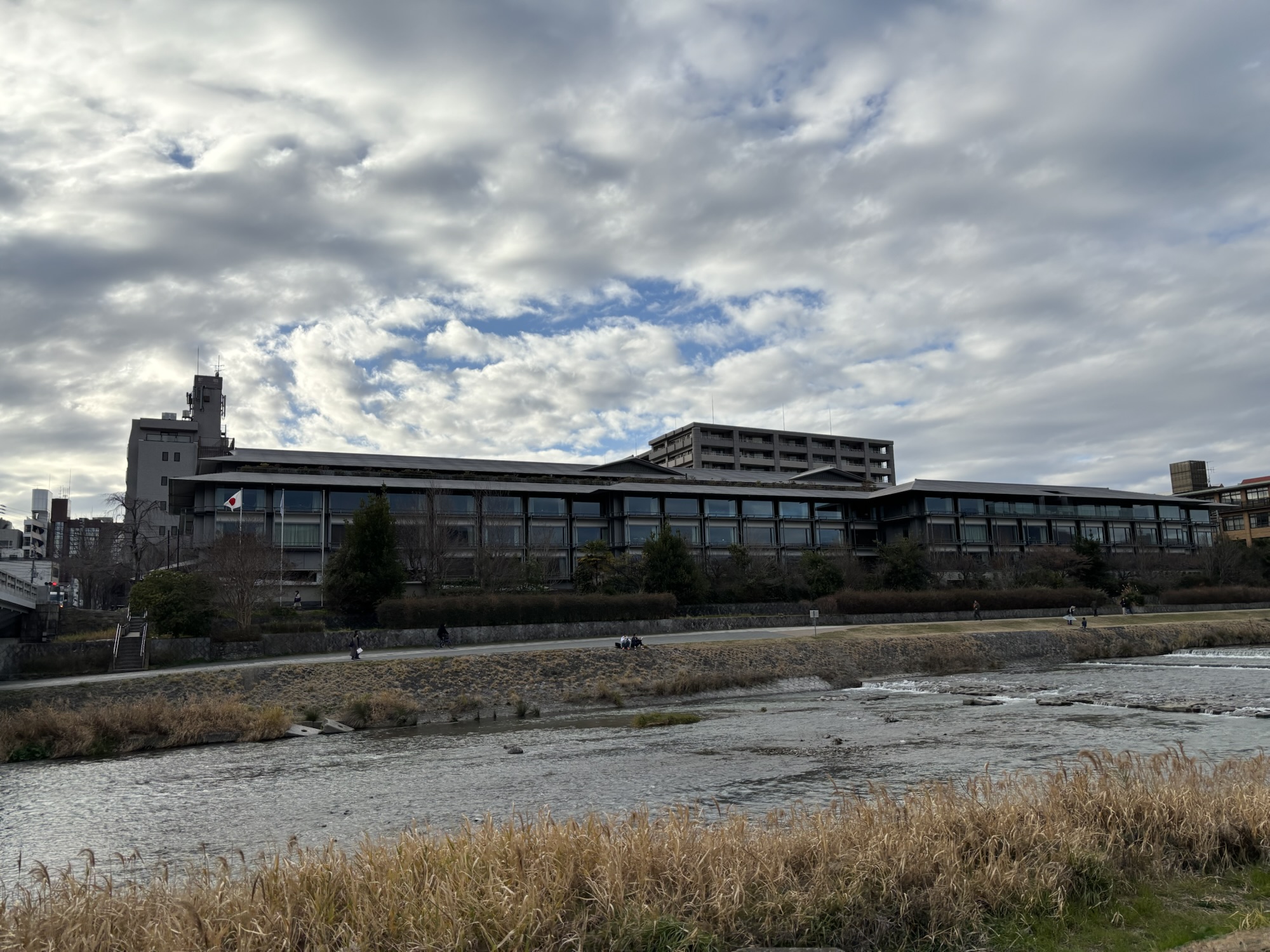
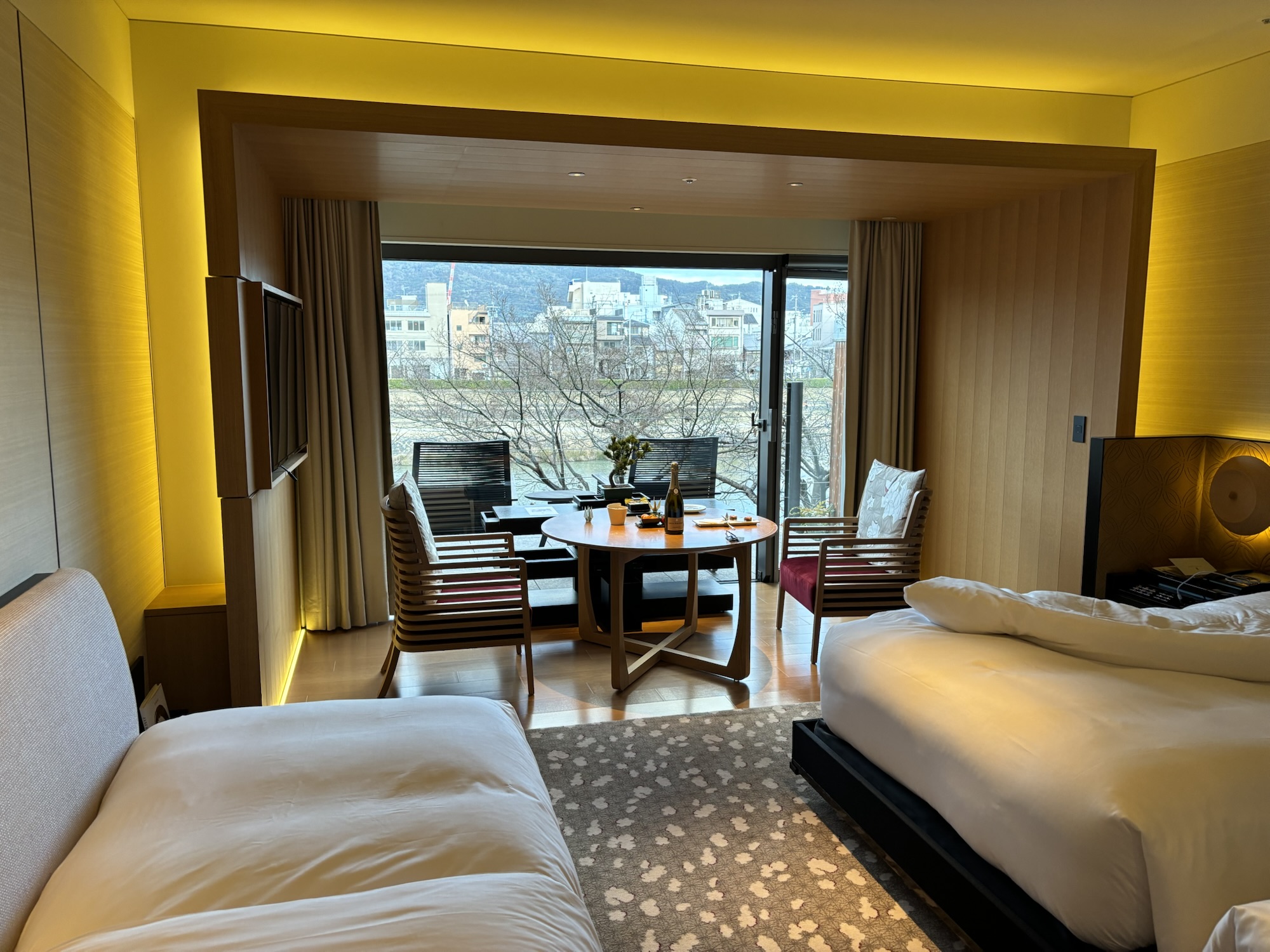
The first thing that impressed me when I arrived at The Ritz-Carlton, Kyoto was the terrace facing the Kamo River. This private space, directly accessible from the room, is designed to allow you to feel the gentle flow of the river up close, perfect for morning coffee or evening relaxation. The hotel’s service is among the best of the many luxury hotels I have stayed at, and the staff’s attention to detail shines through in every aspect of the hotel. For example, the personalized service that prepares your drink of choice upon check-in, or the small surprise gift that is placed upon turndown in your room. These provide a memorable experience that goes beyond a simple stay.
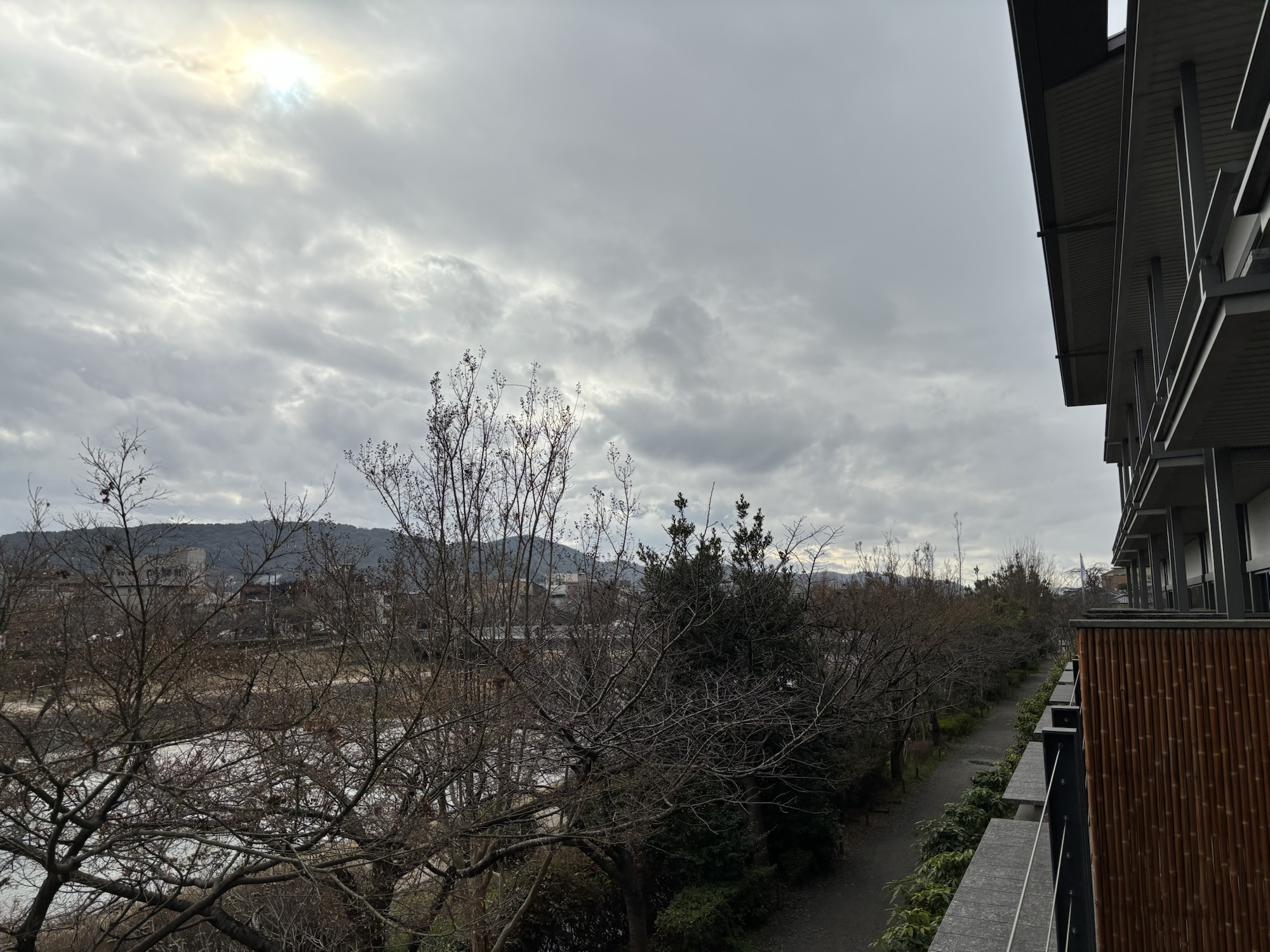
The charm of spending time on the terrace lies in the harmony of Kyoto’s nature and city. With the sound of the Kamo River in the background, simply reading or meditating is a sensation that melts away the stresses of everyday life. As a tip for users, we recommend specifying a Kamo River view when making a reservation. The price is slightly higher, but well worth it. The best season is during the cherry blossom season in spring and the fall foliage season, when the view from the terrace is even more spectacular. In addition, the relaxation on the terrace is even deeper if you use the hotel’s spa in conjunction. In my experience, yoga with a view of the Kamo River in the morning mist was the highlight of my trip.
The Golden Glow of Kinkakuji Temple and the Tranquility of its Gardens
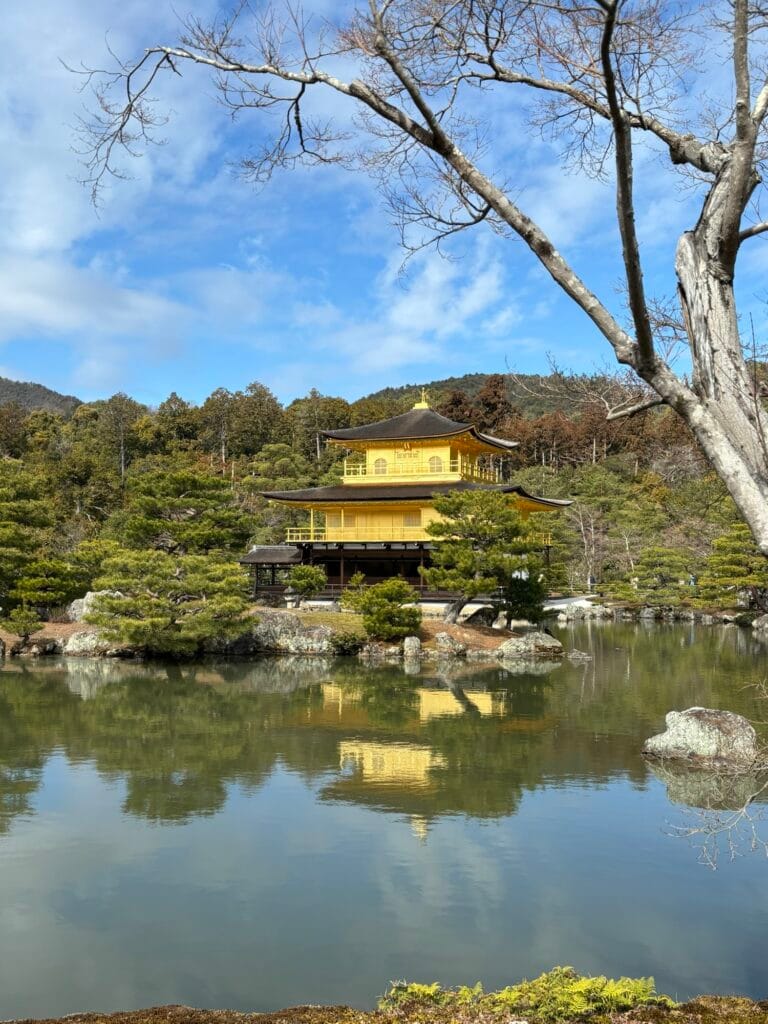
Exploring the Golden Pavilion was the perfect opportunity to experience Kyoto’s Zen culture. The golden-colored Shariden (Hall of the Dead) is overwhelmingly beautiful even from a distance, and its reflection in the pond is like a painting. Even with all the tourists, a leisurely stroll through the garden is a quiet and inspiring experience. In my case, I visited early in the morning to avoid the crowds and enjoy the exclusive moment when the golden light bathed in the morning sun. I recommend visiting just after the gates open as this is beneficial information for users. The admission fee is a reasonable 500 yen for adults and takes about one hour.
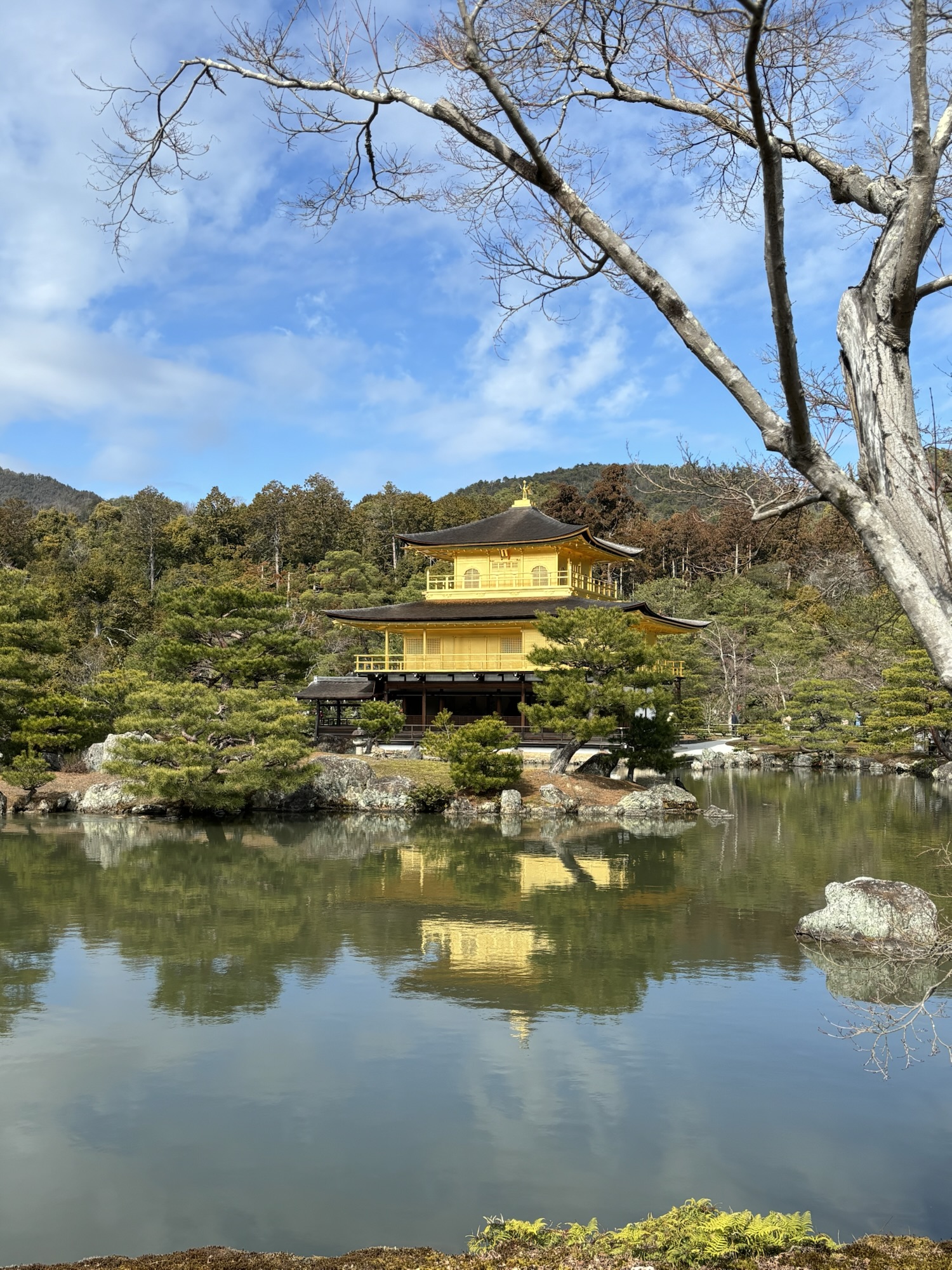
The charm of Kinkakuji lies not only in its visual beauty but also in its historical background. The villa was built by Muromachi Shogun Ashikaga Yoshimitsu and designed to reflect Zen teachings. Walking around the pond and observing how the surface of the water, called Kagamiko (mirror lake), reflects the Golden Pavilion, one can understand the architectural wonder. A useful tip is to plan a route that combines the nearby Kokeji and Ryoanji temples for a deeper appreciation of Kyoto’s garden culture. My feeling is that the view from a distance, beyond the hustle and bustle of tourists, brings peace to the mind. Kinkakuji Temple is a photogenic spot, but its true value is revealed when you actually visit and feel the wind in your face.
The view from the heights of Kiyomizu-dera Temple and the depth of its history
Kiyomizu-dera Temple is a well-known symbol of Kyoto and is famous for the view from its high stage. The wooden structure built that high is unique and is an interesting point of architectural history. On my visit, the stage offered a panoramic view of the city of Kyoto and even the mountains in the distance. Although the place is crowded with tourists, a stroll along the side streets reveals quiet halls and gardens. Admission is 400 yen for adults, and nighttime illumination events are also recommended. The view from the stage is exceptional if you visit during the cherry blossom season in spring or the foliage season in fall.
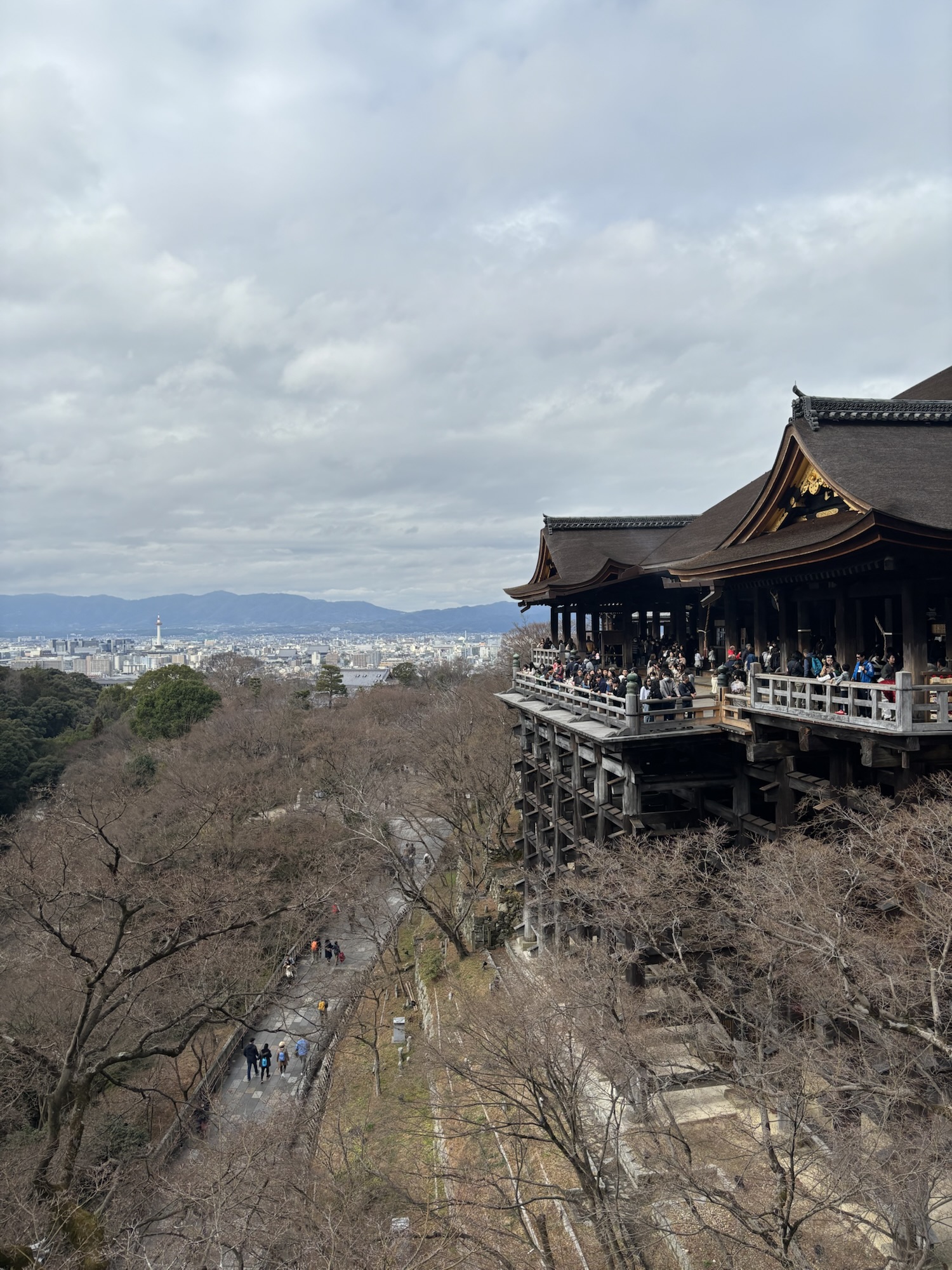
Useful information learned from the Kiyomizu-Dera experience is to walk along the nearby Sanneizaka and Ninenzaka slopes. These slopes are lined with traditional townhouses and are well stocked with souvenir stores and teahouses. This is the best place to buy Kiyomizuyaki ceramics, with prices ranging from 1,000 yen to tens of thousands of yen. In my case, I enjoyed a cup of green tea soft serve while walking down the hill and enjoying the afterglow of my trip.Tips: Aim for first thing in the morning on weekdays to avoid crowds, and prepare comfortable shoes. The stairs on the hill are surprisingly steep, so it is also important to take care of your physical condition in advance. Kiyomizu-dera Temple is not just a sightseeing spot, but a place where you can feel purification of your mind through the blessings of marriage and the experience of drawing water at the Otowa Falls.
Attractions and learnings throughout the Kyoto trip
Through this trip, I realized that the combination of hotels and tourist attractions maximizes the appeal of Kyoto. After relaxing on the terrace of the Ritz-Carlton, Kyoto, the route to Kinkakuji Temple and Kiyomizu-dera Temple is well-balanced both physically and mentally. As for transportation, taking a cab or bus from the hotel is efficient and takes less than 30 minutes each. My feeling is that the contrast between the quietness and bustle of Kyoto enriches the everyday. Tourist attractions are beautiful, but hotel service determines the quality of the trip.
As an original tip for users, check the weather when planning your trip, and prioritize the hotel’s indoor activities (spa and afternoon tea) on rainy days. In terms of food, tasting Kyoto cuisine at the hotel restaurant will show you the freshness of local ingredients. We also recommend trying gold-leafed sweets at a teahouse near Kinkakuji Temple or yuba cuisine in the Kiyomizu-dera area. All in all, a trip to Kyoto will give you a sense of spiritual fulfillment and make you want to visit again and again.
Private Wisdom’s Summary
From the Private Wisdom perspective, this Kyoto trip taught me the wisdom of “cherishing quality private time. The terrace of the Ritz-Carlton, Kyoto offers a private space away from the hustle and bustle of daily life, while the gold of Kinkakuji Temple symbolizes the radiance of the heart. The high plateau of Kiyomizu-dera Temple is a lesson in broadening one’s perspective on life. Through these experiences, travel is more than just transportation; it is an opportunity for inner growth. You, too, can explore Kyoto’s hidden charms and accumulate your own Wisdom. These private insights will enrich your life.
The Ritz-Carlton, Kyoto and Kyoto Sightseeing: Frequently Asked Questions
Where is The Ritz-Carlton, Kyoto, and is the Kamo River view room worth it?
The hotel sits right along the Kamo River in central Kyoto, blending traditional and modern design. In my experience the Kamogawa-facing terrace room is the highlight — it costs a little more, but waking up to the river and the changing seasons is well worth it. If you want that view, request it when you reserve.
How do I get from the hotel to Kinkaku-ji and Kiyomizu-dera?
Both are easy day trips from the hotel. A taxi or bus takes under about 30 minutes to each, so you can relax on the terrace in the morning and still cover the main temples in a day.
What are the admission fees and the best time to visit the temples?
On my visit, admission was around 500 yen for adults at Kinkaku-ji (allow about an hour) and around 400 yen at Kiyomizu-dera. Going right after the gates open on a weekday helps you avoid the biggest crowds. Fees can change, so please confirm the current prices on each temple’s official site.
When is the best season to visit?
Spring cherry-blossom season and autumn foliage season are the most spectacular, both from the hotel terrace and at the temples. Kiyomizu-dera also holds seasonal night-time illumination events worth checking.
What should I do around Kiyomizu-dera?
Walk down the Sannenzaka and Ninenzaka slopes lined with traditional townhouses, teahouses and souvenir shops. It is a lovely place to browse Kiyomizu-yaki ceramics and enjoy a green-tea soft serve while soaking up the afterglow of the trip.
Related articles: Quiet Luxury at The Westin Tokyo, ANA InterContinental Tokyo, Hyatt Regency Yokohama Stay Review, and A Private Hot-Spring Stay at Pearl Star Hotel Atami.
Visited in July 2025. Prices and details are as of my visit; please confirm the latest information on each official website.
Related Articles
- The Westin Yokohama Club Floor: A Blissful Family Hotel Stay to End 2025
- Gastronomic trip to Hayama Station for croquettes and soft-serve ice cream
- ANA InterContinental Tokyo Accommodations: Pool and Breakfast Luxury Experience
- A Family Art Journey at Toranomon Hills: Discovering Harmony in Design Ah neo’s Creative Sanctuary!

Comments