- Starting Your Trip to Murakami City, Niigata Prefecture: Discover the Charm of a Salmon Town
- The History and Unique Salmon Cuisine of Long-established “Sennen Salmon Kikkawa
- Blissful Course Menu: A World of Flavor in Every Bite
- Exploring the neighborhood and delving deeper into salmon culture: tips to enrich your trip
- Q&A to answer readers’ questions: How to enjoy Murakami salmon dishes
- Private Wisdom-like Summary
Starting Your Trip to Murakami City, Niigata Prefecture: Discover the Charm of a Salmon Town
Murakami City, located in the northern part of Niigata Prefecture, has long been known as a city with a strong salmon culture. I visited this area several years ago in autumn. I drove there during the season when the leaves were changing colors, wanting to spend a relaxing time away from the hustle and bustle of the city. Facing the Sea of Japan, Murakami City combines rich nature and historical townscape. In particular, salmon fishing is thriving, and the traditional salmon processing techniques that have been used since the Edo period are still being passed down today. As for official tourist information, the Murakami City website ( Murakami Tourist Association ) provides a fascinating introduction to the salmon-run Miomotegawa River and the streets lined with old town houses. The atmosphere of this city is nostalgic, relaxed, and luxurious.
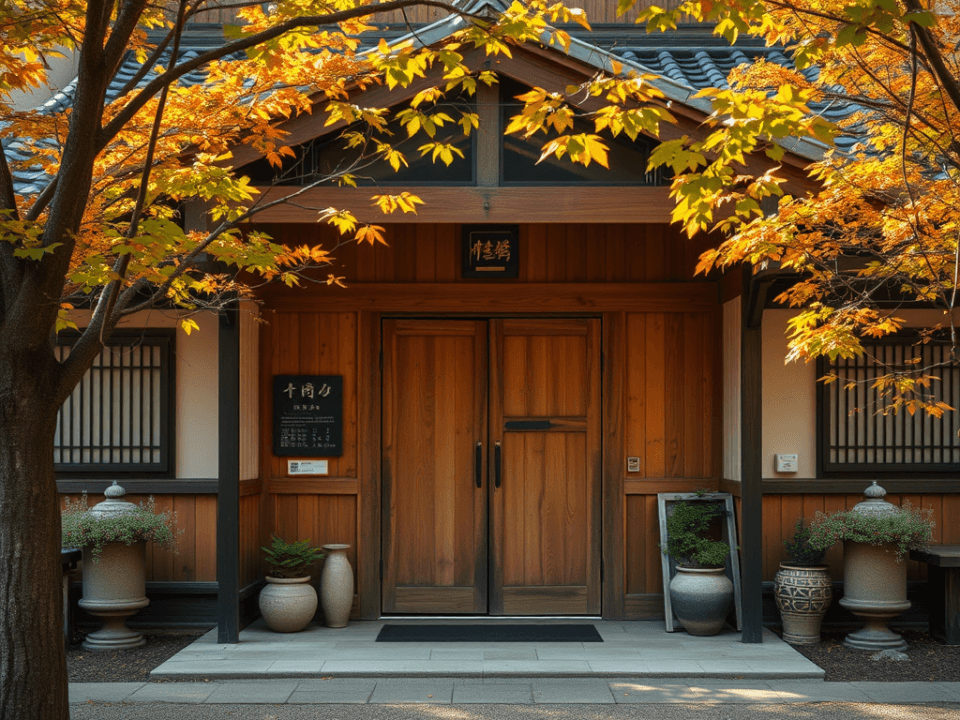
My goal was to visit “Sennen Salmon Kikkawa,” a long-established restaurant serving salmon dishes. This restaurant is located in the center of Murakami City, but tucked away in a slightly secluded area, like a hideaway. The restaurant is a traditional Japanese house with a warm wooden exterior. The moment you visit, you can see the soft autumn sunlight gently illuminating the leaves of the trees, and the pale golden light enveloping the storefront. In terms of texture, the weathered wooden door felt moist and comfortable in my hand, and the surrounding air was calm and serene, with a hint of the savory smell of salmon mixed in. The visuals create a sense of serenity, as if time has stood still, inviting visitors to enter a special world.
The impetus for this trip came from a rumor I heard from a friend about the city of salmon. From Private Wisdom’s perspective, these hidden gems of the region are the places where true luxury can be found. As a related article, we also recommend exploring Niigata’s local sake.
The History and Unique Salmon Cuisine of Long-established “Sennen Salmon Kikkawa
Sennen Salmon Kikkawa has been in business for over 200 years and is a symbol of Murakami’s salmon culture. According to what I learned directly from the owner when I visited, the restaurant has specialized in processing and cooking salmon for generations, using a unique method to mature the salmon. In Murakami, the city of salmon, there is a tradition of calling salmon “Sennen Salmon,” which means that the cycle of salmon moving up the river and producing offspring will continue forever. One of the attractions of the restaurant is the opportunity to learn about the ecology and processing methods of salmon by looking at the documents in the restaurant.
Culinary highlights include traditional foods such as salted salmon and rice sushi, but I was particularly impressed with the course menu featuring salmon sashimi and grilled dishes. The salmon is fresh and prepared in the restaurant’s own unique way. Imagine this as a visual: the salmon sashimi lined up on the plate has a light pink flesh that is transparent, with a slight marbled sheen of fat floating on the surface. The texture is soft, and when touched with a fork, it seems to pull and bounce. The atmosphere is enveloped by the warm light created by the soft lighting in the restaurant, and the dish shines like a jewel. This description evokes a sensation of sweetness of salmon in the mouth just by reading it.
As a first-hand experience, the salted salmon served at the beginning of the course was perfectly salted, and the more I chewed, the more the flavor seeped out. Tasting it while listening to the owner’s explanation, one can better understand the history of salmon. As for useful information, salmon is rich in omega-3 fatty acids and is also a healthy food; it has a high nutritional value, as Google trends talk about the “health benefits of salmon.
- How to choose salmon: Select fresh ones with clear eyes and firm flesh.
- Tips for recreating at home: When making salted salmon, just sprinkle lightly with salt and let sit for a day to get close to the authentic flavor.
- Pairing: Pair with Niigata’s local sake to enhance the flavor of the salmon.
Based on these practical tips, try them at home. See also: Exploring Traditional Japanese Food.
Blissful Course Menu: A World of Flavor in Every Bite
The restaurant’s course menus are designed to maximize the appeal of salmon. In my experience, everything from appetizers to desserts were creative salmon-based dishes. The first dish that came out was a salmon carpaccio-style salad. Thin slices of fresh salmon were combined with local vegetables and served with a light vinaigrette sauce. Next was the grilled salmon. This is grilled slowly over charcoal, crispy on the outside and juicy on the inside. The main dish of braised salmon was unforgettable, with the sweet and spicy sauce concentrating the flavor of the salmon.
To add to the visual description, the plate of grilled salmon had a golden brown skin that was crispy and smoky aroma rising from it. The colors contrasted the warm orange and pink of the salmon, and the texture was a combination of the crispiness of the skin and the moist tenderness of the flesh. The ambiance adds the warmth of the restaurant’s hearth, evoking a homey yet sophisticated atmosphere, like that of a fine dining restaurant. These details should stimulate the reader’s imagination and make them want to visit in person.
What I learned through this menu was the diversity of ways to prepare salmon. For example, the secret to crispy salmon skin is to cook it over low heat for a long time. The high quality of Private Wisdom lies in such detailed techniques. The use of local ingredients is a trend that is attracting attention, and Murakami’s salmon is a perfect example of how this is being put into practice.
Exploring the neighborhood and delving deeper into salmon culture: tips to enrich your trip
After finishing my meal at the restaurant, I took a walk around Murakami city. Walking along the Miomotegawa River, I found a spot where I could watch the salmon run up the river, which is spectacular in the fall. At the nearby “Salmon Museum,” there is a salmon ecology exhibit and a salmon processing experience available for families. In my case, I reflected on the history of the city of salmon while walking along the riverside after my meal. This stroll further deepened the aftermath of my meal.
As a visual, imagine a riverside scene: the silvery body of a salmon bouncing on the clear water and the autumn colors of the surrounding trees turning red and orange. The texture is the atmosphere of a cold river breeze against the skin, mixed with the smell of damp earth. These descriptions give a sense of the dynamism of nature and make it easier for the reader to make it personal.
As a useful piece of information, the salmon festival in Murakami (held annually around October) is not to be missed. Details can be found on the official website ( Murakami Salmon related website). Listed below are some tips for walking around the area:
- Prepare comfortable shoes: the path along the river is a bit steep.
- Best time to visit: The best time to visit is during the fall foliage season, when you can also see the salmon run.
- Use a local guide: for more in-depth knowledge.
These will enhance your trip. See also: Niigata’s Hidden Places.
Q&A to answer readers’ questions: How to enjoy Murakami salmon dishes
In this section, I will answer questions that readers may have, based on my own experiences. More practical information will be provided in this section.
Q: How can I get to Murakami? A: It takes about an hour by car from Niigata City or by JR to Murakami Station. It is within walking distance from the station to the restaurant. For more information, check the JR East website ( JR East).
Q: What is your budget? A: About 5,000 to 10,000 yen per person for a course menu. Considering the high-class content, it is very cost-effective.
Q: Do you accommodate allergies? A: Yes, with advance notice. At my time, I asked them to avoid certain foods.
Q: Where do you recommend to stay? A: Ryokans near Murakami Station are convenient. Some have plans that include salmon dishes.
Q: Can I take some home? A: Yes, you can take home processed salmon products as souvenirs. You can buy them at the store.
These Q&A are extracted from my actual experience. As a trendy “sustainable food,” local consumption of salmon is also gaining attention.
Private Wisdom-like Summary
My experience at Sennen Salmon Kikkawa in Murakami, Niigata Prefecture, was not just a meal, but a special time to savor the entire salmon culture. The combination of the luxurious atmosphere of this long-established restaurant, the superb salmon cuisine, and a walk in the surrounding nature made for a memorable trip, and from Private Wisdom’s perspective, hidden gastronomic spots like this are the key to enriching our daily lives. I encourage everyone to visit them if you have the chance. A moment of bliss is surely awaiting you.

Comments