
- Welcome to the World of Kiritanpo Hot Pot in Akita
- The Basics of Kiritanpo Hot Pot and Its Appeal
- Learning from my experience, how to make it the local way
- Recommended Eating Style and Pairings
- Exploring Akita’s Hidden Gourmet Spots
- Consider the nutritional and health benefits
- Seasonal Enjoyment
- Private Wisdom-like Summary
Welcome to the World of Kiritanpo Hot Pot in Akita
Akita Prefecture is a land of rich nature and unique food culture. In particular, kiritanpo nabe, a winter staple, is characterized by its warm flavor that has been passed down from generation to generation by the local people. In this issue, I will share with you the charm of kiritanpo nabe, which I actually experienced during my visit to Akita. First, to learn more about kiritanpo in Akita, please visit the official Akita Prefecture website to find out more about its history and culture. From there, you can find places worth visiting by referring to TripAdvisor’s Akita page as popular local spots. In my experience, I will never forget a small diner I encountered in a rural Akita town.
The Basics of Kiritanpo Hot Pot and Its Appeal
Kiritanpo nabe is a one-pot dish in which Kiritanpo, cooked rice wrapped around a stick and baked, is the main ingredient, simmered with Hinai Jidori chicken, Japanese parsley, burdock root, and other ingredients. It is loved by the locals as a nutritious meal to help them survive the harsh winters of Akita. I first had it several years ago during a trip to Akita. The savory aroma of kiritanpo nabe served at a local festival drew me in, and the moment I took a bite, I was impressed by the chicken broth soaked with the flavor of chicken. The key to this nabe is the texture of the kiritanpo. They are crispy on the outside and chewy on the inside, and the flavor soaks in even more in the nabe. On a related note, if you search for kiritanpo nabe spots in Akita on Google Maps, you will find some surprisingly good spots.
Learning from my experience, how to make it the local way
When I did a homestay in Akita, I learned how to make kiritanpo from a local grandmother. The secret is to mash the rice into a semi-slice shape, roll it around a stick, and roast it slowly over a charcoal fire. You can use store-bought kiritanpo, but homemade kiritanpo is exceptional. The soup is basically a broth made from Hinai Jidori chicken broth. The flavor of celeri is enhanced by adding the whole root. An arrangement I have tried is to add a little sake from Akita. This deepens the richness and is perfect for cold nights. When I actually made this dish, I noticed that it is important to adjust the heat level. Simmering over low heat allows the flavors of the ingredients to meld together. From this experience, a tip for recreating this dish at home is to emphasize the freshness of the ingredients. The fresh seri we bought at a market in Akita was the key to the flavor.
Recommended Eating Style and Pairings
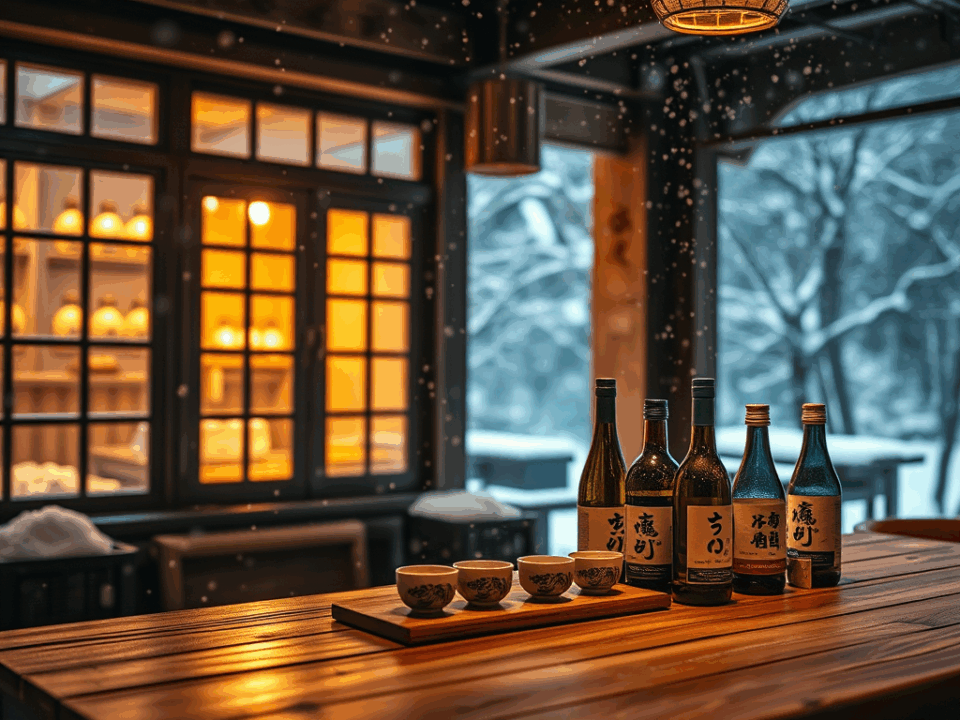
To enjoy kiritanpo nabe more, try some variations on how to eat it. The standard is to leave the pot as it is, but it tastes twice as good if you make zosui (rice porridge) with the rest. When I had it at a ryokan in Akita, I dropped an egg and made it into zosui (rice porridge) at the end. The satisfaction was outstanding. Akita’s local sake is also a perfect pairing; if you look for restaurants in TripAdvisor’s Akita Restaurants that offer a set menu with local sake, you will find some popular spots for foreign tourists. I recommend a sweet Junmai sake. It matches the salty taste of the nabe, so be careful not to drink too much. If you search for “Kiritanpo nabe recipe” or “Akita gourmet” as related words, you will find various arrangements, but simple is best for the local style.
Exploring Akita’s Hidden Gourmet Spots
Odate City and Yokote City are the best places to enjoy kiritanpo nabe in Akita Prefecture. In the Odate City area of Od ate, there are many restaurants specializing in Hinai Jidori chicken, where you can enjoy the authentic taste. At a small diner I visited, the owner proudly grilled kiritanpo and had an English menu for tourists. If you coincide with Yokote’s kamakura festival season, the nabe and the snowy scenery are a perfect combination. For these spots, it is convenient to plan your route by searching “Akita Kiritanpo Nabe Sightseeing” on Google Maps. On my trip, I found a hole-in-the-wall farmhouse restaurant through advance research and was very satisfied with the nabe filled with local vegetables.
Consider the nutritional and health benefits
Kiritanpo nabe is not only delicious, but also has a healthy aspect. It provides a good balance of protein from Hinai Jidori chicken, vitamins from Japanese parsley, and dietary fiber from burdock root. What I experienced was a sense of satisfaction and a rise in body temperature after eating. It is perfect for preventing colds in winter. In fact, it is known as Akita’s longevity food, and local elderly people eat it on a daily basis. If you are concerned about calories, go easy on the oil. In my arranged version, I made it healthier by adding more vegetables. From these points of view, it is recommended for dieters. On a related note, if you look up “Kiritanpo nabe calories,” you will find that it is surprisingly low in calories.
Seasonal Enjoyment
Kiritanpo nabe has an image of winter, but it can be arranged for each of the four seasons. In autumn, kiritanpo made with newly harvested rice is the best. During my visit to Akita, I tasted fresh ones at a harvest festival. In summer, the chilled version is refreshing. The addition of spring wild vegetables is refreshing. By taking advantage of these seasonal flavors, you can enjoy it all year round. As a sightseeing experience, eating nabe at Namahage no Sato is also unique. In my experience, the snow viewing nabe in winter was the most impressive, but knowing the seasonal changes will make you want to repeat the experience. Search for “Akita Seasonal Gourmet” and you will find a wealth of information on events.
Private Wisdom-like Summary
Kiritanpo nabe in Akita is more than just a meal, it is an experience of local warmth and history. The true value of the dish can be discovered when a traveler like me actually visits and tastes it. When recreating it at home, stick to local ingredients. If you make use of this private wisdom, your daily life will become a little richer. Try Akita’s nabe on your next trip.

Comments